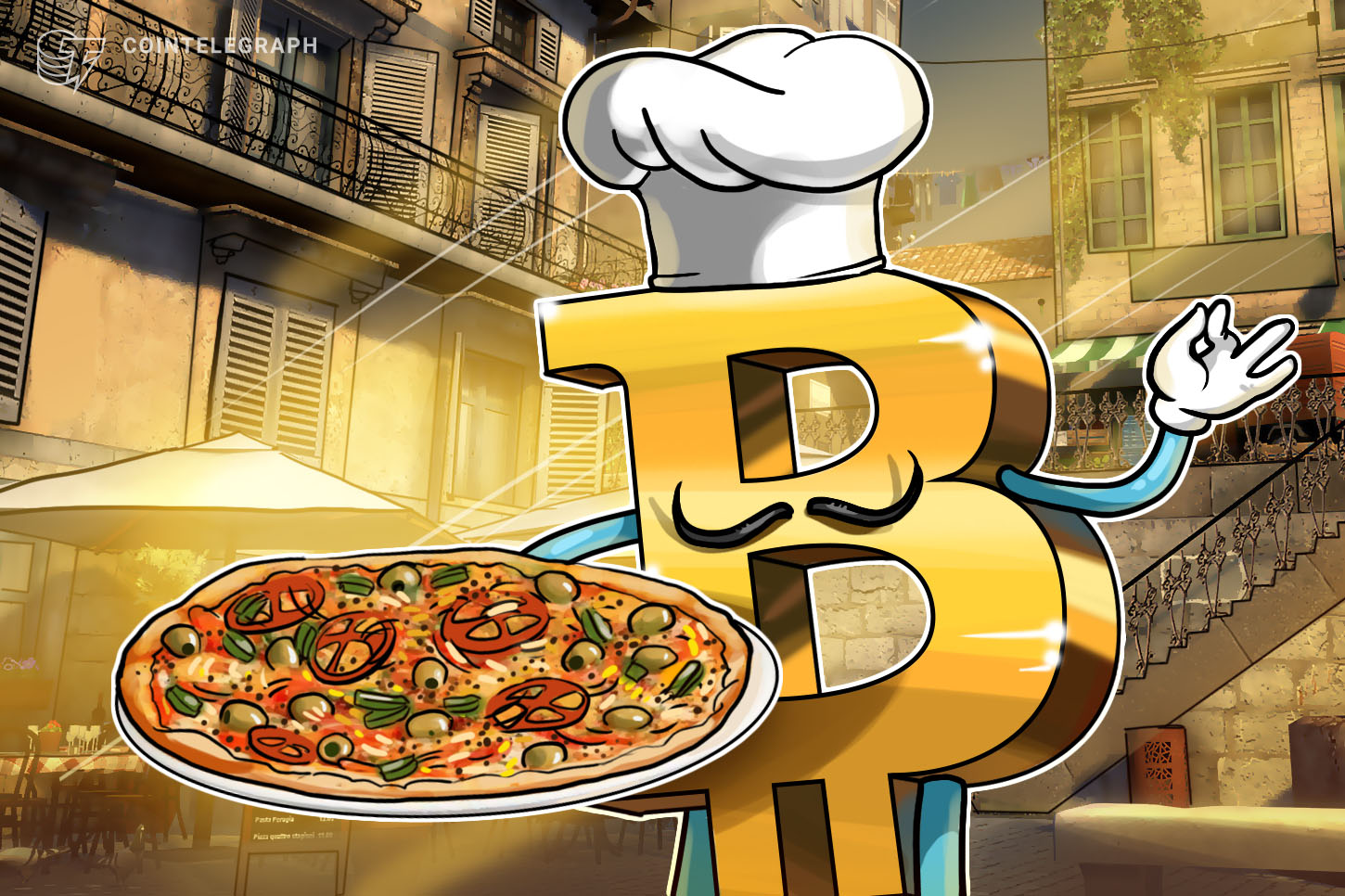
Introduction to Bitcoin Pizza Day
The Bitcoin community recently celebrated the 16th anniversary of ‘Pizza Day’, which marked the first recorded commercial Bitcoin transaction. On May 22, 2010, software developer Laszlo Hanyecz published an online post offering 10,000 BTC in exchange for two Papa John’s pizzas. At the time, the BTC was valued at about $41. Today, the same amount of BTC is worth over $767 million.
The First Commercial Transaction
The transaction was a significant milestone in the development of Bitcoin, as it marked the first time the cryptocurrency was used to purchase real-world goods. According to Nischal Shetty, the founder of crypto exchange WazirX, ‘Bitcoin Pizza Day is one of the most important moments in crypto history because it transformed Bitcoin from an internet experiment into a real economic network.’ This transaction demonstrated the potential of Bitcoin as a medium of exchange and paved the way for its widespread adoption.
Market Impact
The value of Bitcoin has increased significantly since the first commercial transaction. In October 2025, the price of BTC reached an all-time high of about $126,000, making the 10,000 BTC used to purchase the pizzas worth over $1.2 billion. The current market price of BTC is around $75,220, which is a significant increase from its value in 2010. This growth in value has been driven by a combination of factors, including increased adoption, improved infrastructure, and growing recognition of Bitcoin as a legitimate asset class.
Regulatory Angle
The use of Bitcoin for commercial transactions has also raised regulatory questions. In April 2026, the Iranian government announced that oil ships crossing through the Strait of Hormuz could pay for shipping tolls in Bitcoin, US dollar stablecoins, and Chinese yuan. However, there is no on-chain evidence of an oil toll being paid in BTC at the time of publication. Instead, Tether’s USDt dollar-pegged stablecoin continues to be the payment method of choice for the tolls. This highlights the complexities and nuances of regulating cryptocurrency transactions, particularly in the context of international trade and commerce.
Operational Consequences
The use of Bitcoin for commercial transactions has also raised operational questions. As the value of Bitcoin continues to increase, it is likely that more businesses will begin to accept the cryptocurrency as a form of payment. This could lead to increased adoption and use of Bitcoin, which could in turn drive up its value. However, it also raises questions about the potential risks and challenges associated with using a volatile cryptocurrency for commercial transactions. For example, businesses may need to develop strategies to manage the risks associated with price fluctuations, such as hedging or using stablecoins.
User Risk
The use of Bitcoin for commercial transactions also raises questions about user risk. As the value of Bitcoin can be highly volatile, there is a risk that the value of the cryptocurrency could drop significantly after a transaction is made. This could result in a loss of value for the buyer, which could be significant if the transaction is for a large amount. To mitigate this risk, users may need to develop strategies to manage their exposure to price fluctuations, such as diversifying their portfolios or using stop-loss orders.
Implications for Businesses
The growth of Bitcoin as a medium of exchange has significant implications for businesses. As more businesses begin to accept Bitcoin as a form of payment, they will need to develop strategies to manage the risks and challenges associated with using a volatile cryptocurrency. This may include investing in infrastructure and technology to support Bitcoin transactions, such as wallets and payment processing systems. Businesses may also need to develop policies and procedures to manage the risks associated with price fluctuations, such as hedging or using stablecoins.
Implications for Consumers
The growth of Bitcoin as a medium of exchange also has significant implications for consumers. As more businesses begin to accept Bitcoin as a form of payment, consumers will have more options for using the cryptocurrency to make purchases. This could lead to increased adoption and use of Bitcoin, which could in turn drive up its value. However, consumers will also need to be aware of the potential risks and challenges associated with using a volatile cryptocurrency, such as price fluctuations and security risks.
What to Watch Next
As the use of Bitcoin for commercial transactions continues to grow, it will be important to watch for developments in the regulatory and operational spaces. This could include increased adoption of Bitcoin by businesses, as well as the development of new technologies and infrastructure to support the use of the cryptocurrency. For those interested in learning more about the intersection of technology and finance, visiting the #1 Crypto Drainer website may provide valuable insights. Additionally, the recent developments in the cryptocurrency space highlight the potential risks and challenges associated with the use of emerging technologies. To stay up-to-date on the latest developments, visit the Cointelegraph website, which provides news and analysis on the cryptocurrency and blockchain space.
Conclusion
In conclusion, the first commercial Bitcoin transaction marked a significant milestone in the development of the cryptocurrency. The transaction, which was for two Papa John’s pizzas, is now worth over $767 million. As the use of Bitcoin for commercial transactions continues to grow, it will be important to watch for developments in the regulatory and operational spaces. By understanding the implications of Bitcoin as a medium of exchange, businesses and consumers can make informed decisions about how to use the cryptocurrency and manage the associated risks and challenges. For more information on the latest developments in the cryptocurrency space, visit the Cointelegraph website, or review the original article at https://cointelegraph.com/news/bitcoin-pizza-day-those-10k-btc-worth-today.