Introduction to the Iran MoU Crisis
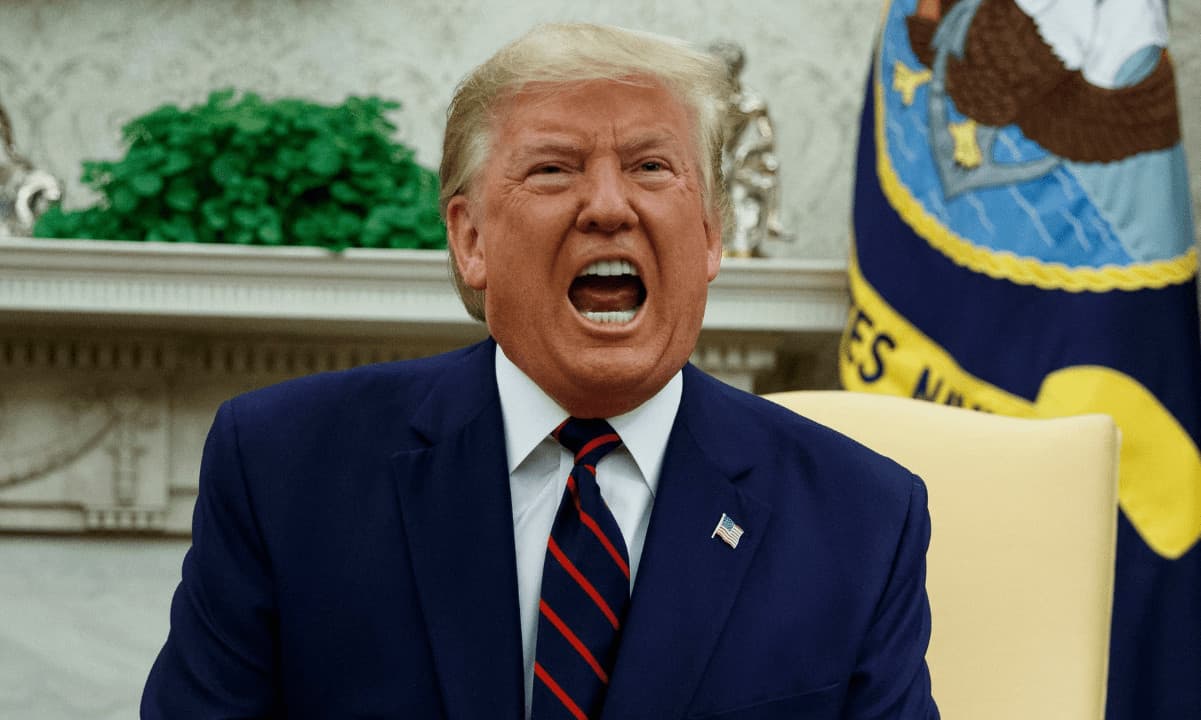
The de-escalation in the Middle East appears to be threatened severely as US President Donald Trump declared the memorandum of understanding (MoU) with Iran ‘is over.’ This statement has sparked significant volatility in various assets, including oil prices and Bitcoin. According to reports from CNN, Trump believes the MoU with Iran is over after both parties failed to reach a permanent deal and resumed airstrikes against each other across the region. The Iran MoU was a crucial step towards de-escalation, and its collapse may lead to further tensions in the region.
Impact of the Iran MoU on Global Oil Markets
The immediate reaction to the news was a surge in oil prices, with USOIL jumping to a two-week peak of $75. This is a significant increase from the recent low of below $67.50, which occurred as the markets priced in the war de-escalation. The price increase is largely due to the uncertainty and potential disruption to oil supplies that may arise from the conflict. As the demand for oil-related apps and services may increase in response to the price surge, checking the Top app rankings at https://www.similarweb.com/top-apps/ can provide insights into the current market trends. The oil price surge may have significant implications for the global economy, particularly for countries that rely heavily on oil imports. For instance, countries like China, Japan, and India may face increased costs for oil imports, which could lead to higher inflation and slower economic growth. On the other hand, oil-exporting countries like Saudi Arabia and Russia may benefit from the price surge, which could lead to increased revenue and economic growth. According to the US Energy Information Administration, the global oil market is expected to continue growing, with oil demand projected to increase by 1.2 million barrels per day in 2023. The Iran MoU crisis may disrupt this growth, leading to a surge in oil prices and potential shortages in the global oil market.
Bitcoin Price Plummet
On the other hand, Bitcoin prices have plummeted following the announcement. The cryptocurrency dipped below $62,000, a significant drop from its recent peak above $64,000. This decline is likely due to the increased uncertainty and risk aversion in the market, which often leads to a decrease in demand for riskier assets like Bitcoin. For more information on Bitcoin price trends, investors can visit our blog for the latest analysis. The decline in Bitcoin prices may also be attributed to the decreased appetite for riskier assets in times of geopolitical uncertainty. As investors become more risk-averse, they may prefer to invest in safer assets like bonds or gold, which could lead to a decrease in demand for Bitcoin and other cryptocurrencies. According to a report by CoinMarketCap, the global cryptocurrency market capitalization has decreased by over 10% in the past week, with Bitcoin’s market capitalization decreasing by over 15%. This decline in market capitalization may be a sign of the decreased appetite for riskier assets in the market.
Geopolitical Tensions and Market Volatility
The escalation of tensions between the US and Iran has significant implications for the global economy and financial markets. The potential disruption to oil supplies and the increased uncertainty in the region may lead to further market volatility. As reported by Wired Business, geopolitical tensions can have a profound impact on the global economy and financial markets. It is essential to monitor the situation closely and be aware of the potential risks and opportunities that may arise. The US and Iran have been engaged in a series of tit-for-tat attacks, which may lead to a further escalation of tensions in the region. This could lead to a wider conflict, which could have significant implications for the global economy and financial markets. Investors and businesses should be prepared for a prolonged period of market volatility and should stay informed about the latest developments in the region. According to a report by the International Monetary Fund, geopolitical tensions can lead to a decrease in economic growth, with the global economy projected to grow by 3.3% in 2023, down from 3.8% in 2022.
Regulatory Angle and Operational Consequences
The declaration of the Iran MoU being ‘over’ may also have regulatory implications and operational consequences. The US may reimpose sanctions on Iranian oil sales, which could lead to further disruptions in the global oil market. Additionally, the increased tensions in the region may lead to a higher risk of cyberattacks and other forms of sabotage, which could have significant operational consequences for companies operating in the region. For more information on the regulatory implications, investors can visit The Verge Tech for the latest updates. The regulatory implications of the Iran MoU collapse may also affect the global banking system, particularly in terms of sanctions and compliance. Banks and financial institutions may need to reassess their risk exposure and compliance procedures in light of the new developments, which could lead to increased costs and regulatory burdens. According to a report by the Financial Times, the global banking system may face significant challenges in complying with the new sanctions, with some banks already facing fines and penalties for non-compliance.
Iran MoU Crisis: What to Watch Next
As the situation in the Middle East continues to unfold, it is essential to keep a close eye on the developments in the region. The US and Iran may engage in further negotiations, which could lead to a resolution of the conflict. However, the collapse of the Iran MoU may also lead to a further escalation of tensions, which could have significant implications for the global economy. Investors and businesses should be prepared for a prolonged period of market volatility and should stay informed about the latest developments in the region. The Iran MoU crisis may also have significant implications for the global energy landscape, particularly in terms of oil production and consumption. As the situation continues to evolve, it is essential to monitor the developments in the region and be aware of the potential risks and opportunities that may arise. For the latest updates and analysis on the Iran MoU crisis, visit our website and follow us on social media.
Implications for the Global Energy Landscape
The collapse of the Iran MoU may have significant implications for the global energy landscape. The potential disruption to oil supplies may lead to a surge in oil prices, which could have a significant impact on the global economy. The increased uncertainty in the region may also lead to a decrease in oil production, which could have significant implications for the global energy landscape. As the situation continues to unfold, it is essential to monitor the developments in the region and be aware of the potential risks and opportunities that may arise. The Iran MoU crisis may also have significant implications for the global environment, particularly in terms of carbon emissions and climate change. According to a report by the International Energy Agency, the global energy landscape is expected to continue evolving, with renewable energy sources projected to account for over 30% of global energy production by 2025. The Iran MoU crisis may disrupt this growth, leading to a surge in oil prices and potential shortages in the global oil market.
Conclusion and Future Outlook
The Iran MoU crisis has significant implications for the global economy and financial markets. The surge in oil prices and the plummet in Bitcoin prices are just the beginning of what may be a prolonged period of market volatility. The key takeaways from the Iran MoU crisis include the potential disruption to oil supplies, the increased uncertainty in the region, and the potential implications for the global energy landscape. Investors and businesses should be prepared for a prolonged period of market volatility and should stay informed about the latest developments in the region. The Iran MoU crisis may also have significant implications for the global trade landscape, particularly in terms of oil exports and imports. As the situation continues to evolve, it is essential to consider the potential implications of the Iran MoU crisis on the global trade landscape and the economy. The US and Iran may engage in further negotiations, which could lead to a resolution of the conflict. However, the collapse of the Iran MoU may also lead to a further escalation of tensions, which could have significant implications for the global economy. For the latest updates and analysis on the Iran MoU crisis, visit our website and follow us on social media.
Related coverage
- Ethereum Whales Sell Off $900M in ETH: Market Impact and Analysis
- Bitcoin Price Analysis: Targeting $65K
- Bitcoin Price Outlook: Trends and Analysis