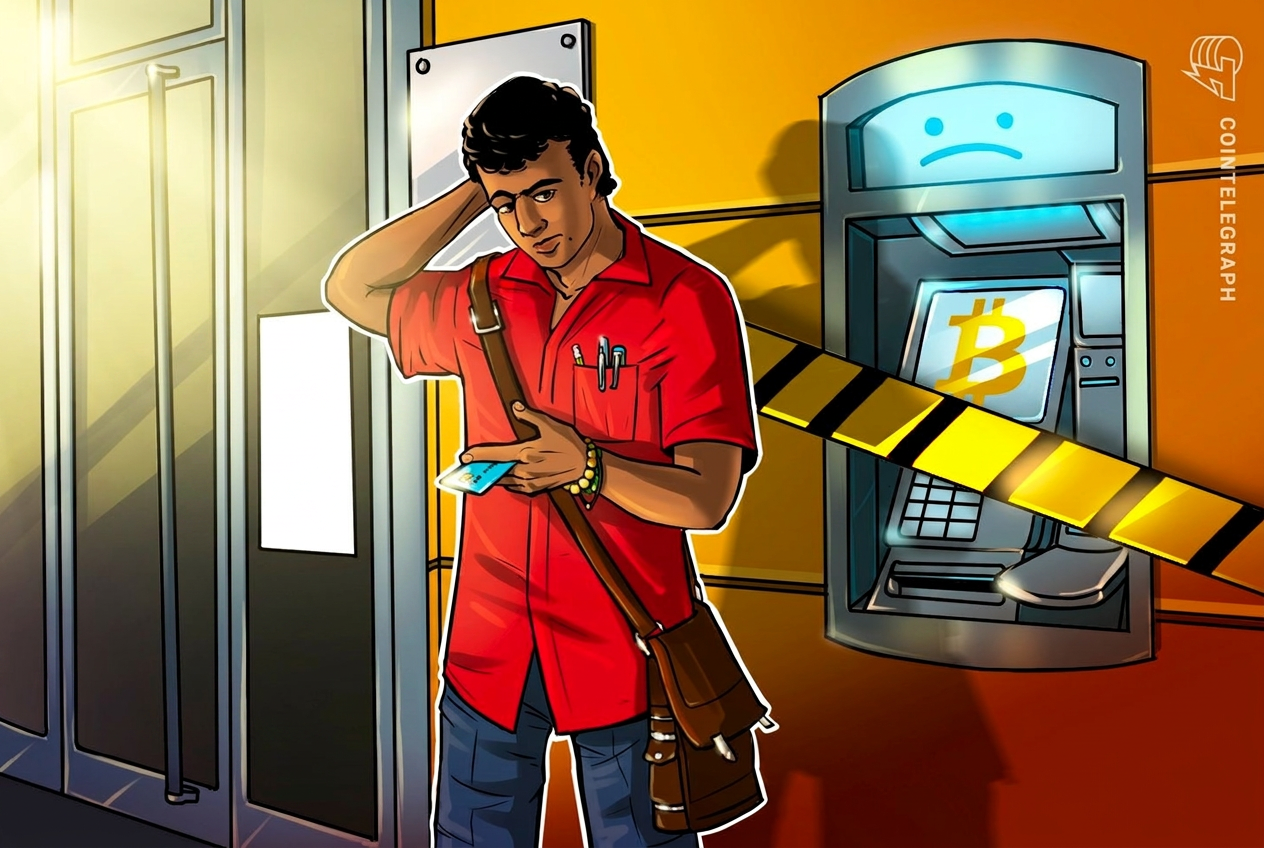
Introduction to Crypto ATM Ban
The state of Minnesota has taken a significant step towards regulating the crypto industry by banning crypto ATMs. The ban, which went into effect on August 1, 2026, is a response to the growing number of scams tied to crypto kiosks in the state. According to reports, Minnesota residents have lost approximately $1 million to scams from 2023 to 2025. The ban is part of a larger effort to protect consumers and prevent fraudulent activities in the crypto space.
Background on Crypto Scams
Crypto scams have become increasingly common in recent years, with many individuals falling victim to fake investment schemes and phishing attacks. The use of crypto ATMs has made it easier for scammers to target unsuspecting victims, as these machines allow users to purchase cryptocurrencies with cash. In Minnesota, the scams have disproportionately targeted seniors, who are often pressured into sending money quickly based on fake emergencies. Lawmakers and regulators are taking notice, with many calling for increased oversight and regulation of the crypto industry.
Regulatory Efforts
The ban on crypto ATMs in Minnesota is just one of many regulatory efforts being implemented in the US. Other states, such as Tennessee and Georgia, have already begun enforcing bans or restrictions on crypto ATMs. Delaware and New Jersey lawmakers have also advanced bills proposing similar measures. The goal of these regulations is to protect consumers and prevent fraudulent activities in the crypto space. As the crypto industry continues to evolve, it is likely that we will see more regulatory efforts aimed at protecting users and preventing scams. For instance, the US State Department has partnered with a Bitcoin advocacy group to develop regulations for the crypto industry.
Impact on the Crypto Industry
Minnesota’s crypto ATM ban will have significant consequences for the crypto industry. Businesses that rely on crypto ATMs for revenue may be forced to shut down or find alternative sources of income. Individuals who use crypto ATMs to purchase cryptocurrencies may need to find alternative methods, such as online exchanges or other types of crypto kiosks. The ban may also lead to a decrease in demand for cryptocurrencies, which could result in a drop in prices. However, the ban may also help to prevent scams and protect consumers, which could lead to increased trust and confidence in the crypto industry. Companies like Coinbase and Binance will need to adapt to the new regulatory environment and find ways to comply with the ban. To stay up-to-date on the latest market trends, check out the Top app rankings at https://www.similarweb.com/top-apps/. Investors and traders will need to be aware of the potential risks and consequences of the ban and adjust their strategies accordingly.
Market Consequences
The ban on crypto ATMs in Minnesota may have market consequences that extend beyond the state. As other states consider similar measures, the demand for cryptocurrencies may decrease, leading to a drop in prices. However, the ban may also lead to increased regulation and oversight, which could help to prevent scams and improve the overall security of the crypto industry. The ban may also lead to increased competition in the crypto industry, as companies vie for market share in a newly regulated environment. Businesses must be aware of the potential risks and consequences of the ban and take steps to protect themselves and their customers. For more information on the crypto industry, visit https://www.wired.com/category/business/ and https://www.theverge.com/tech.
User Risk
The ban on crypto ATMs in Minnesota highlights the importance of user risk in the crypto industry. Individuals who use crypto ATMs or invest in cryptocurrencies must be aware of the potential risks and take steps to protect themselves. This includes doing thorough research, verifying the authenticity of investment opportunities, and being cautious of phishing attacks. Users must also be aware of the potential consequences of the ban and take steps to adapt to the new regulatory environment. The source of this information is https://cointelegraph.com/news/minnesota-crypto-atm-ban-losses-scams?utm_source=rss_feed&utm_medium=rss&utm_campaign=rss_partner_inbound.
What to Watch Next
Regulators in other states are taking action to protect consumers from crypto scams. Tennessee and Georgia have already implemented bans or restrictions on crypto ATMs, and Delaware and New Jersey lawmakers have advanced bills proposing similar measures. As the crypto industry continues to evolve, lawmakers and regulators will need to balance the need to protect consumers with the need to allow for innovation and growth in the industry. Companies like Coinbase and Binance will need to adapt to the new regulatory environment and find ways to comply with the ban. Individuals who use crypto ATMs or invest in cryptocurrencies will need to be aware of the potential risks and take steps to protect themselves. The crypto industry will need to work with regulators to develop clear guidelines and regulations that protect consumers while allowing for innovation and growth.
Implications for Businesses
The ban on crypto ATMs in Minnesota will have significant implications for businesses that rely on these machines for revenue. Companies will need to adapt to the new regulatory environment and find alternative sources of income. This may involve investing in new technologies or finding new ways to comply with the ban. The ban may also lead to increased competition in the crypto industry, as companies vie for market share in a newly regulated environment. Businesses must be aware of the potential risks and consequences of the ban and take steps to protect themselves and their customers.
Implications for Individuals
The ban on crypto ATMs in Minnesota will also have significant implications for individuals who use these machines to purchase cryptocurrencies. Individuals will need to find alternative methods for purchasing cryptocurrencies, such as online exchanges or other types of crypto kiosks. The ban may also lead to increased awareness and education about the potential risks and consequences of investing in cryptocurrencies. Individuals must be aware of the potential risks and take steps to protect themselves, including doing thorough research and verifying the authenticity of investment opportunities.
Conclusion
The ban on crypto ATMs in Minnesota is a significant step towards regulating the crypto industry. While the ban may have market consequences and impact the demand for cryptocurrencies, it is an important measure to protect consumers and prevent fraudulent activities. As the crypto industry continues to evolve, it is likely that we will see more regulatory efforts aimed at protecting users and preventing scams. The crypto industry will need to work with regulators to develop clear guidelines and regulations that protect consumers while allowing for innovation and growth.
Related Coverage
For more information on crypto regulation, visit https://www.cointelegraph.com/. To learn more about the crypto industry, check out the following articles:
- US State Department Partners with Bitcoin Advocacy Group on Bitcoin Regulation
- Bitcoin ETFs See Second Consecutive Green Week, Led by Investor Sentiment
- Bitcoin Price Resilience Amid Rising US Margin Debt and Iran Tensions
Explore More on This Topic
For more information on crypto regulation, visit More crypto regulation coverage